Why underground power and communications need early civil coordination
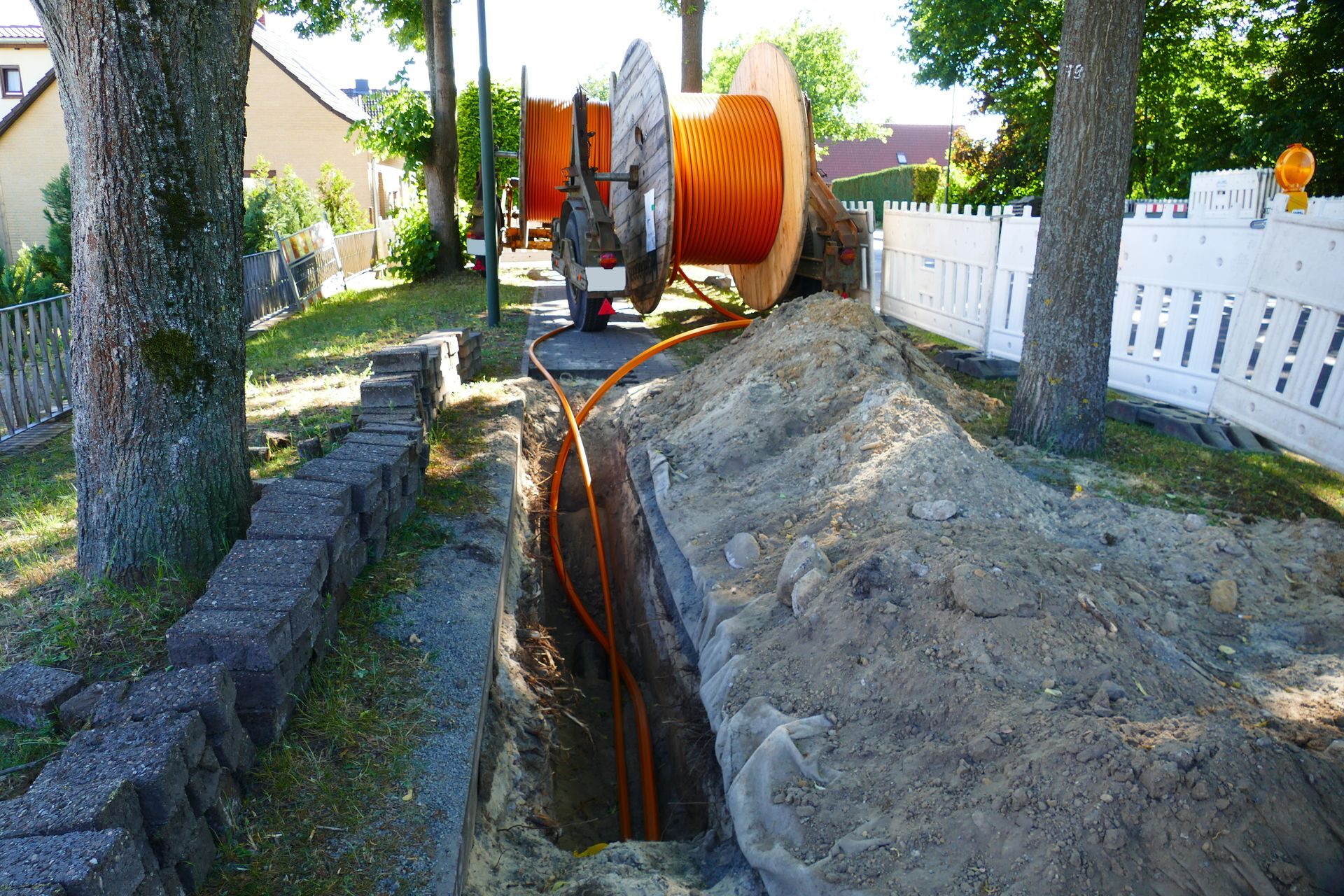
Underground power and communications are a critical part of many land development projects, but they are often more sensitive to coordination issues than they first appear. On large civil sites, these works need to fit within a broader programme that may also include sewer installation, stormwater drainage, water mains, earthworks and changing access conditions. That means the real challenge is not just installing conduits or utility pathways. It is making sure those works happen at the right time and in the right sequence within the wider project.
When underground power and communications are coordinated early, project teams are usually in a better position to manage access, reduce clashes and maintain smoother progress across connected packages. When they are left too late, or treated as a simple follow-on trade, the result can be unnecessary disruption, revised sequencing and greater pressure on already active work zones. On larger developments, those issues can spread quickly through the programme.
This article explains why underground power and communications benefit from early civil coordination, where common delivery pressure points tend to emerge and why a connected planning approach makes these works easier to manage on site.
1. Underground utility works are closely connected to other civil scopes
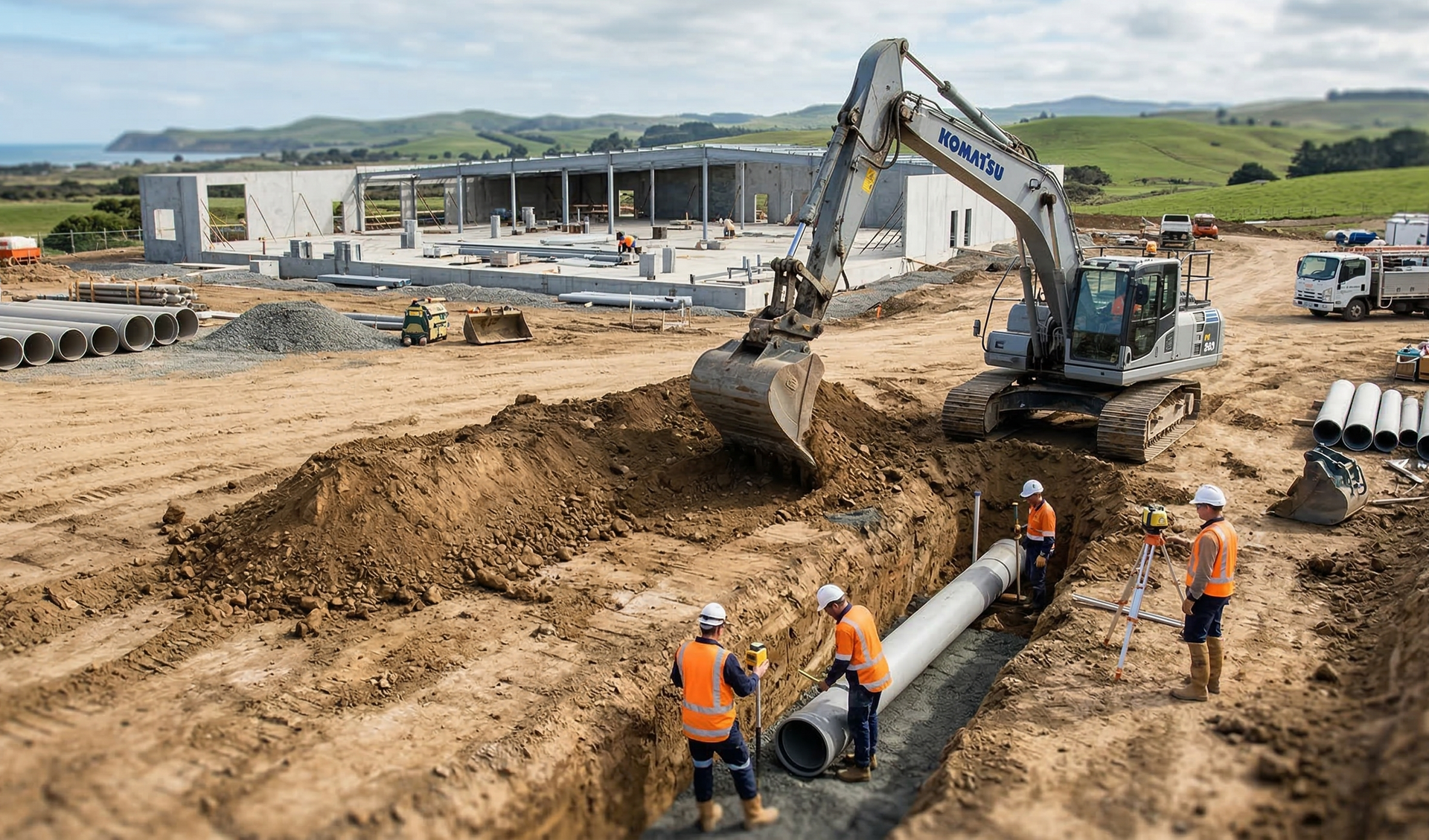
One of the main reasons early coordination matters is that underground power and communications do not operate in isolation. On land development projects, these works often sit beside drainage, water infrastructure and other underground services. Even if each package has its own design and contractor pathway, the physical space on site is shared. That creates a direct relationship between utility installation and surrounding civil works.
When those relationships are recognised early, project teams can make better decisions about sequencing, trenching, access and the order in which different scopes should move. If they are ignored until late in the programme, the site may already be operating in a way that makes underground utility delivery harder than it needs to be. That can lead to stop-start progress, avoidable revisions and pressure on crews working in nearby zones.
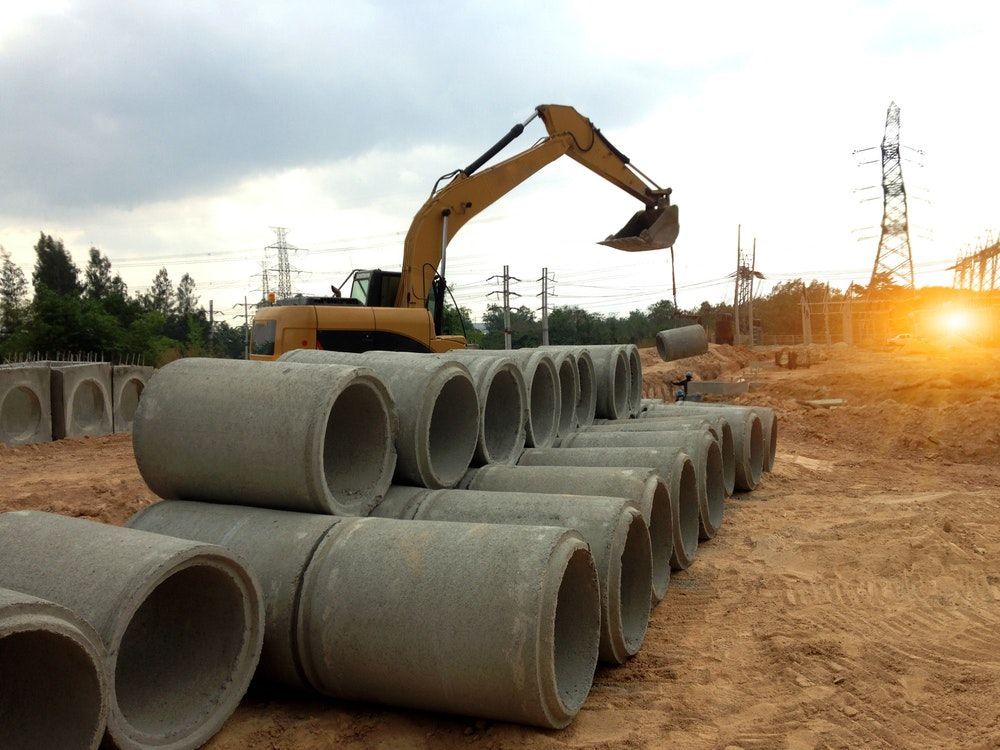
This is why underground utility works often need to be considered alongside services such as stormwater drainage systems , water main installation and sewer and deep sewer installation. These scopes are different, but their relationship on site is real. Early civil coordination helps make that relationship more manageable before the programme becomes congested.
On larger developments, the issue is rarely whether underground power and communications can be installed at all. It is whether they can be installed efficiently without creating friction across the rest of the project.
2. Access and trenching conditions can change quickly on active sites
Underground power and communications often rely on practical site conditions that can shift quickly as a development progresses. Access routes, trenching zones, working areas and surrounding excavation conditions may all change from one stage of the programme to the next. If utility works are not coordinated early, crews can find themselves trying to deliver within conditions that are no longer ideal for efficient installation.
This matters because utility installation is often more sensitive to timing than project teams expect. A site might appear ready from a high-level planning perspective, but once surrounding works start moving, the practical window for efficient delivery can narrow. Trenching access may become more difficult, adjacent infrastructure works may create pressure points and working space can become less flexible as the programme advances.
Early civil coordination helps reduce that risk by treating underground utility works as part of the broader delivery strategy rather than as something that can simply be fitted in later. It gives project teams a better chance to align utility timing with the practical realities of the site while there is still room to make good sequencing decisions.
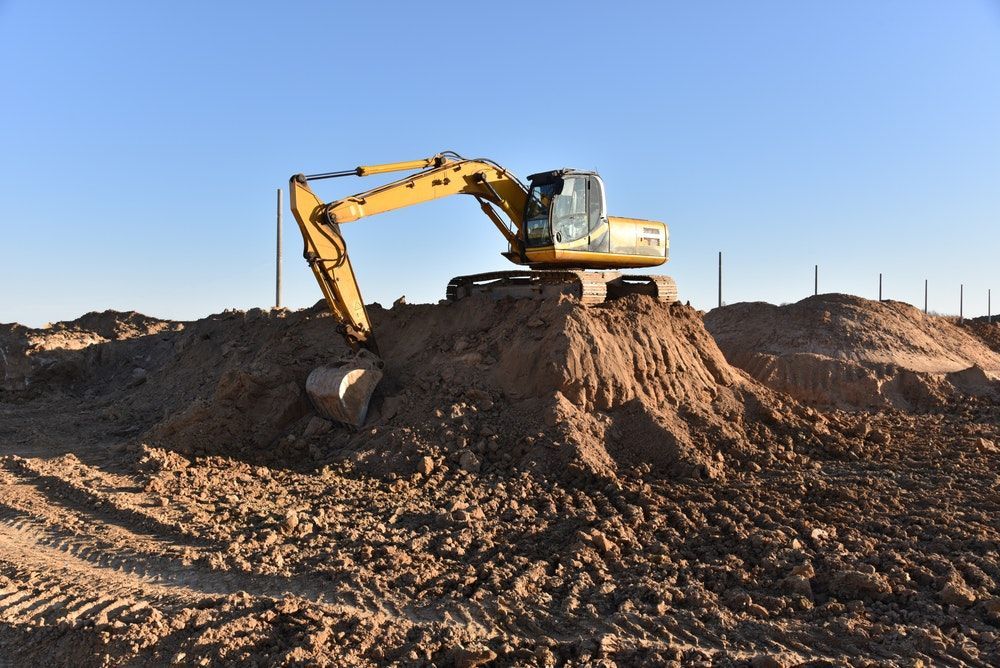
Where site preparation and access depend heavily on earlier activities such as bulk earthworks and subdivision groundwork , that coordination becomes even more important. Utility works are easier to manage when the site has been prepared with their delivery in mind.
3. Late coordination increases the risk of clashes and rework
One of the biggest problems with delayed planning is that it increases the likelihood of clashes between packages. By the time underground power and communications are ready to be delivered, nearby scopes may already be in progress or completed in ways that make coordination more difficult. Even where there is no single major conflict, smaller practical clashes can still slow the programme and create avoidable disruption.
These clashes are not always technical design problems. Quite often, they are sequencing and delivery problems. A team may discover that access is no longer practical, working zones have become crowded or adjacent packages now need adjustment to create room for efficient utility installation. In these situations, rework is not necessarily caused by bad intention or poor capability. It often comes from coordination that happened too late to be useful.
This is where broader civil construction for land developments benefits from early visibility across connected scopes. The earlier utility works are considered as part of the overall programme, the easier it is to support smoother handovers, reduce congestion and avoid unnecessary disruption on active parts of the site.
On a large project, avoiding rework is not just about saving effort. It is about protecting programme flow and keeping connected packages moving in a practical order.
4. Early coordination supports better programme control
Project teams often talk about coordination in terms of avoiding problems, but it also has a more positive role. Early coordination creates better programme control. When underground power and communications are considered early, project managers can make clearer decisions about timing, staging and the relationship between utility works and surrounding infrastructure packages.
That improved control is useful because utility installation often sits within a broader sequence of civil activity rather than at the start or end of the programme. It may need to follow earthworks in one area, align with drainage in another and avoid access conflict in a third. Without early coordination, those moving parts can become much harder to manage once work is underway.
Where underground utility works are treated as part of a connected delivery strategy, teams usually have more flexibility to plan practically and less need to react under pressure later. That leads to smoother site management and a better chance of keeping all connected works aligned through changing project conditions.
If you are planning a large development and want to discuss how utility works fit into the wider programme, contact our team to talk through the scope. You can also explore our broader civil construction services to see how underground infrastructure fits into connected project delivery.
5. Utility works are most efficient when planned as part of the full site strategy
Underground power and communications are usually most efficient when they are planned as one part of a larger site strategy rather than as a late-stage addition. That means considering how these works relate to drainage, excavation, access, groundwork and the timing of surrounding infrastructure packages. The earlier that bigger picture is understood, the easier it becomes to support efficient delivery on site.
Planning utility works this way does not mean overcomplicating the programme. It means recognising that underground services are affected by the same practical site realities as every other civil package. When they are given proper visibility early, the project team has more options to manage sequencing, working space and installation timing before the site becomes constrained.
By contrast, treating underground utility works as something that can always be slotted in later tends to create more pressure than it saves. The job may still get done, but often with more coordination effort, more interruption and less flexibility than would have been needed with earlier planning.
Get in touch with the JP Civil team today
Underground power and communications need early civil coordination because they sit inside a wider network of site access, trenching, sequencing and connected infrastructure works. On large land development projects, waiting too long to coordinate these services usually creates more friction than it saves. Early planning helps reduce clashes, improve timing and support smoother programme flow.
When utility works are treated as part of the broader civil strategy, project teams are better placed to manage access, sequencing and installation efficiency across the site. Learn more about our underground power and communications services and civil construction for land developments , or get in touch with our team to discuss your next development project.