How to plan civil construction works across staged subdivision projects
Planning civil construction works across a staged subdivision project requires more than a simple list of packages and target dates. On large developments, staging affects how access, drainage, underground infrastructure, earthworks and utility works all move through the site over time. Each package influences the others, and the way those relationships are managed often determines whether the project feels controlled and efficient or constantly under pressure.
This matters because staged subdivision delivery rarely follows a perfectly clean sequence. Different areas of the site may be at different points in the programme, while crews, equipment and infrastructure works all need to operate around active conditions. That means planning needs to reflect real site movement, not just a theoretical schedule. The stronger that planning is, the easier it becomes to keep connected civil scopes aligned as the project progresses.
This article looks at how to plan civil construction works across staged subdivision projects, what usually causes pressure in the programme and how a practical coordination approach can support smoother delivery from early groundwork through to connected underground infrastructure.
1. Start by treating the site as a sequence of connected work zones
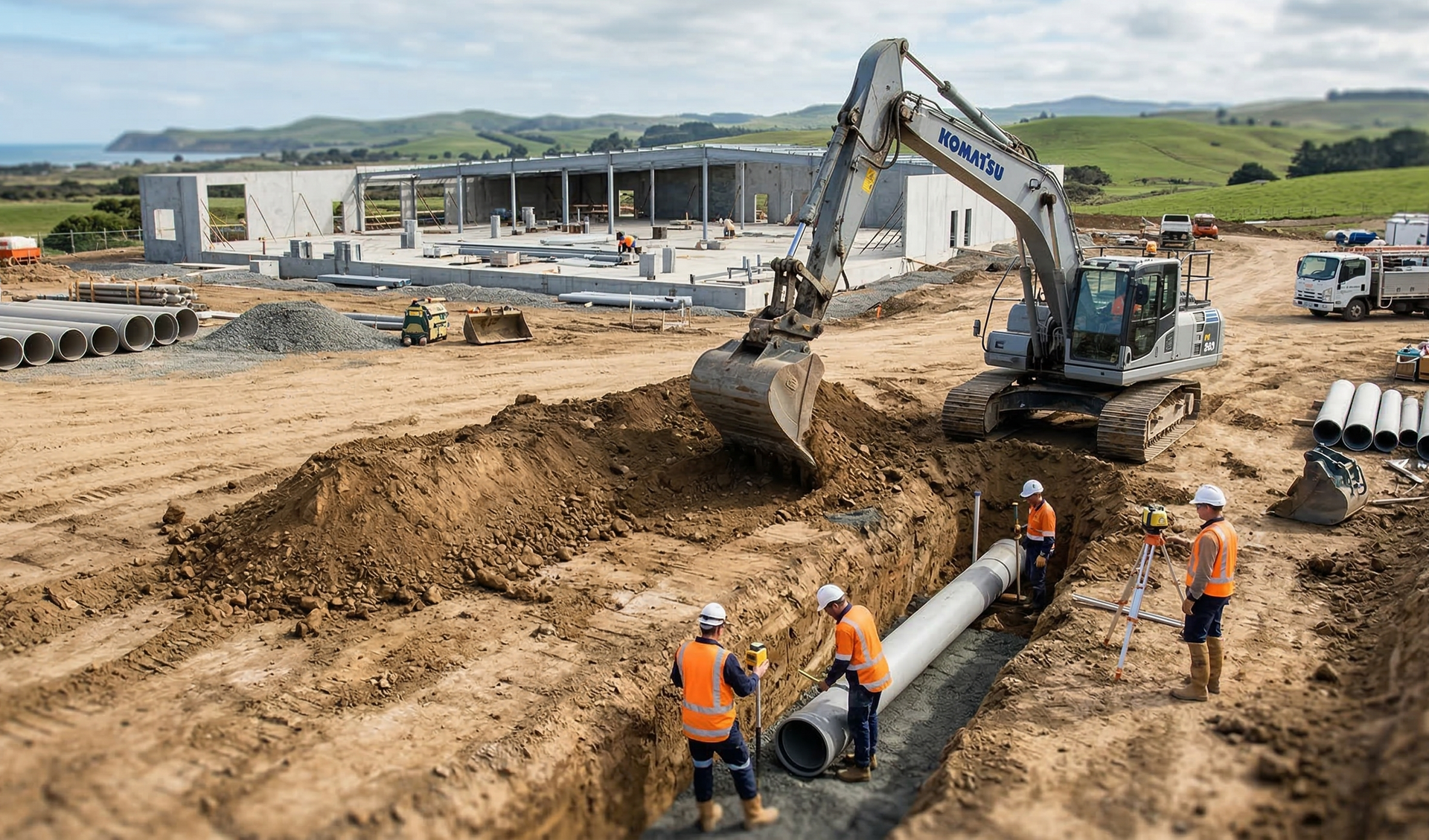
One of the most useful ways to approach staged subdivision planning is to stop thinking about the site as one single work area moving through one simple timeline. In practice, staged projects are usually made up of multiple work zones, each with their own timing, readiness and infrastructure needs. Some areas may still be in early earthworks while others are moving into drainage, utilities or broader civil completion. Planning needs to reflect that reality from the beginning.
When project teams treat the site as a sequence of connected zones, it becomes easier to understand how progress in one part of the development affects work in another. Access routes, material movement, utility timing and surrounding packages can all be planned with more clarity when the project is viewed in stages rather than as one continuous block of work. That does not remove complexity, but it makes the complexity easier to manage.
This is also where broader civil construction for land developments benefits from clear structure. A project-wide view is important, but it needs to be broken into workable stages that reflect how crews and infrastructure will actually move across the site.
Without that staged-zone mindset, programmes can easily become too general. Work may still be scheduled, but the sequence may not reflect the practical realities that shape site delivery day to day.
2. Align early works with the packages that depend on them
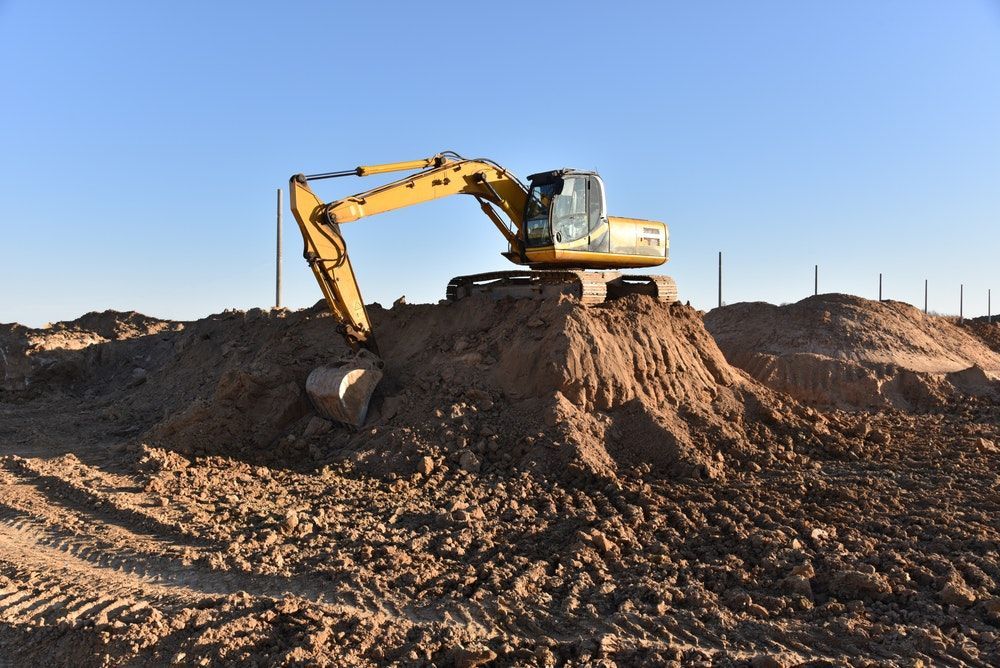
In staged subdivision projects, early works often have a bigger effect on later packages than they first appear to. Bulk earthworks, ground preparation and access setup do more than open the site. They influence how efficiently later drainage, water and utility works can be delivered. If early-stage planning does not reflect those later dependencies, the programme can inherit pressure that becomes harder to fix once multiple areas of the site are active.
That is why planning should start by identifying which packages depend on earlier site preparation and what practical conditions they need in order to move efficiently. Earthworks may shape access and finished levels. Drainage may depend on those conditions being in place. Utility works may then depend on both sequencing and available working zones. The relationship between early and later stages is rarely abstract. It is usually visible in how easy, or difficult, the next package is to deliver.
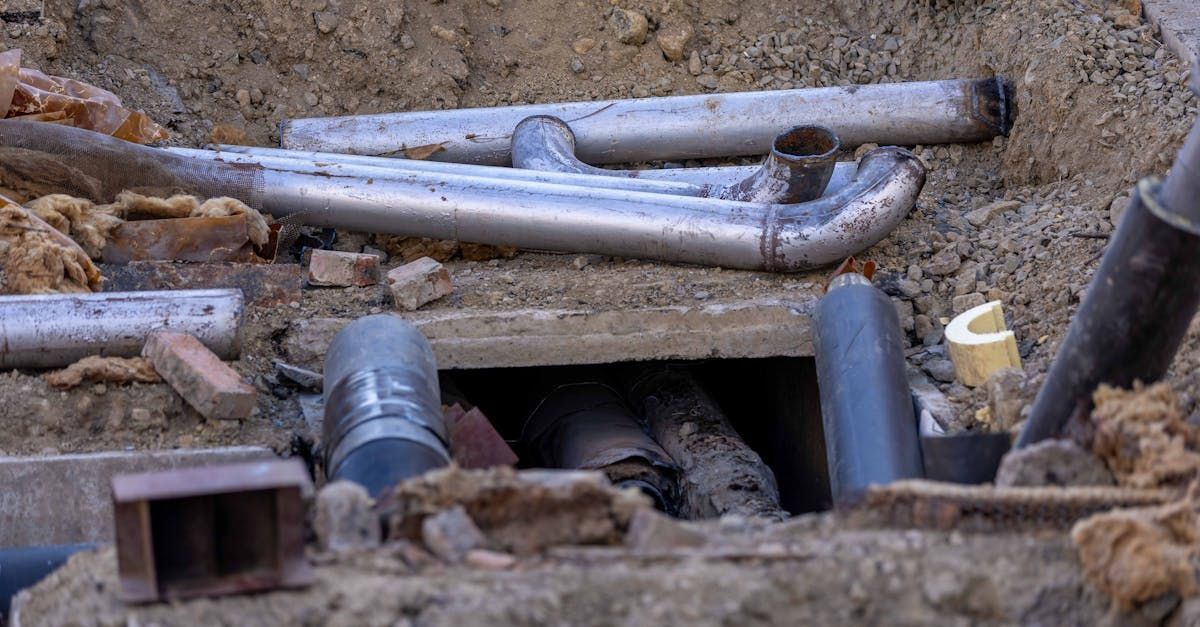
Services such as bulk earthworks and subdivision groundwork , stormwater drainage systems and water main installation often sit inside these dependencies. Planning them as connected stages rather than isolated scopes usually gives project teams a much stronger base for efficient delivery.
Where dependencies are understood early, later works are less likely to be slowed by avoidable access, sequencing or site-readiness issues. That is one of the biggest gains in staged project planning.
3. Build the programme around practical sequencing, not just ideal sequencing
Every large project starts with a planned sequence, but staged subdivision works often evolve once active site conditions take hold. Access shifts, surrounding packages move at different speeds and some areas become ready sooner than others. That is why the strongest programmes are not built only around ideal sequencing. They are built around sequencing that remains practical when the site becomes busy and conditions change.
Practical sequencing means asking whether a package will still be efficient to deliver in the real environment of the project, not just whether it fits neatly into a schedule. A scope may be technically ready, but still affected by nearby works, working space constraints or timing conflicts with other active zones. The more a programme accounts for those realities early, the easier it is to maintain momentum across staged delivery.
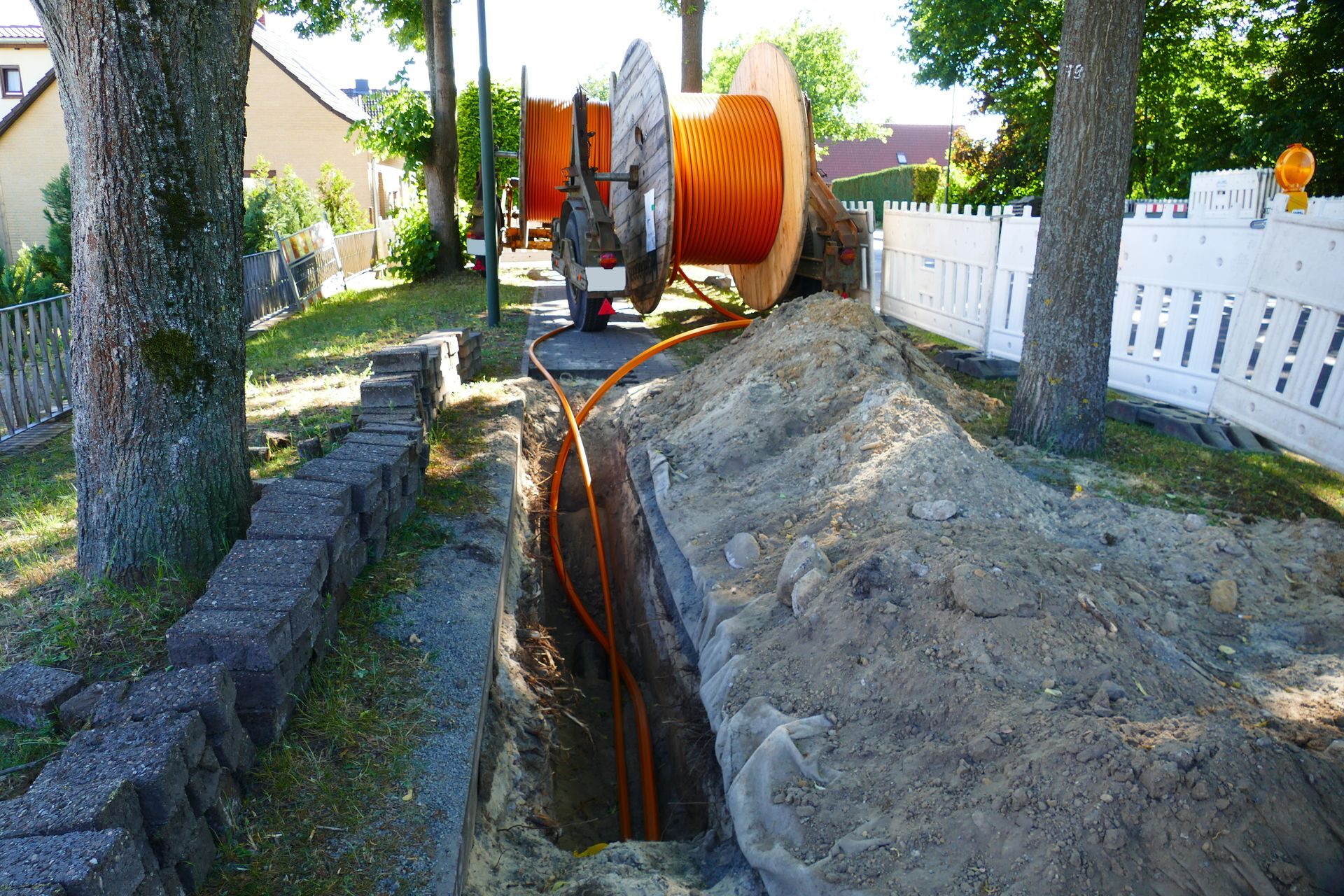
This is especially relevant where packages such as sewer and deep sewer installation and underground power and communications services need to fit around changing site conditions and surrounding infrastructure activity. Their place in the schedule matters, but their place in the real site sequence matters even more.
Planning this way does not mean expecting constant disruption. It means designing the programme to stay workable when the normal complexities of staged delivery start to appear.
4. Use coordination points to reduce clashes between active stages
On staged subdivision projects, some of the biggest delivery problems happen where one stage starts affecting another before the handover is properly understood. A drainage crew may need access through a zone that is still being prepared. Utility works may need space beside an area where earthworks are still moving. Even when each package is valid in its own right, the overlap between active stages can create pressure if it is not coordinated clearly.
One practical response is to build clear coordination points into the planning process. These are the moments where teams stop and confirm readiness, access, sequencing and surrounding scope relationships before the next stage moves forward. They help reduce assumptions and create more visibility around what is actually happening on site, rather than relying on the programme alone to carry that responsibility.
This matters because staged projects do not only succeed through good scheduling. They also succeed through good handovers between packages. The more visible those handovers are, the easier it becomes to keep connected works moving in the right order with fewer clashes and less avoidable rework.
If you are planning staged delivery and want support across connected scopes, contact our team to discuss the project. You can also explore our broader civil construction services to see how these packages fit together on large-scale developments.
5. Keep the broader strategy visible as the project evolves
One of the challenges with staged subdivision projects is that the day-to-day work can pull attention away from the broader site strategy. Once multiple zones are active, teams can become focused on short-term movement and immediate tasks. While that is understandable, planning tends to stay stronger when the wider delivery strategy remains visible throughout the programme.
Keeping that broader strategy visible helps teams make better decisions when conditions shift. It allows them to judge whether a short-term adjustment supports the wider sequence or simply creates more pressure later. It also helps maintain alignment between site progress and the original intent of the programme as different civil packages move through changing stages of readiness.
On large projects, this is often what separates a staged programme that stays manageable from one that becomes reactive. The issue is not whether change happens. It is whether the project still has a clear structure for responding to that change while protecting overall delivery flow.
Speak to our team about your project today
Planning civil construction works across staged subdivision projects is ultimately about managing connected zones, dependencies, sequencing and coordination in a way that reflects real site conditions. The strongest programmes are not just organised on paper. They are structured to remain practical as the project evolves through changing access, active work areas and interconnected infrastructure packages.
When staged planning is approached with that practical mindset, project teams are usually in a better position to maintain flow, reduce clashes and support smoother delivery across the broader civil package. Learn more about our civil construction for land developments and bulk earthworks and subdivision groundwork , or get in touch with our team to discuss your next subdivision project.