How bulk earthworks support efficient subdivision delivery
Bulk earthworks can have a major influence on how efficiently a subdivision project moves from concept into practical site delivery. On large-scale land development works, earthworks are not just about moving material from one part of the site to another. They help shape levels, access, staging and site readiness for the infrastructure that follows. When bulk earthworks are planned and delivered well, the rest of the project often has a stronger foundation to work from. When they are handled poorly, delays and coordination issues can spread into multiple connected scopes.
For developers, builders and project teams, this is why earthworks deserve more attention than they sometimes receive in early planning conversations. Bulk earthworks affect how drainage, underground infrastructure, access management and broader programme sequencing come together on an active site. In practical terms, they often set the tone for whether subdivision delivery feels controlled and efficient or reactive and difficult.
This article explains how bulk earthworks support efficient subdivision delivery, where they fit within the broader civil package and why good coordination at this stage matters to the rest of the project lifecycle.
1. Bulk earthworks help create the physical conditions needed for site progress
Before many other civil scopes can move efficiently, the site needs to be in a workable condition. That often means creating practical levels, preparing access and shaping the ground so later stages of the project can proceed with fewer unnecessary constraints. Bulk earthworks are central to that process. They help create the physical starting point that supports more efficient site progression across subdivision works.
On a large development, this has a direct impact on how smoothly the next packages can be delivered. If the site is not prepared properly, other works may be slowed by access challenges, unstable ground conditions, poor sequencing or unnecessary rework. In contrast, well-planned earthworks can help reduce those issues by setting up the site more effectively from the beginning.
This is one reason bulk earthworks and subdivision groundwork are so closely tied to project efficiency. The value is not only in the earthmoving itself. It is in how those works prepare the site for what comes next and reduce friction across later stages of the programme.
Where subdivision projects involve multiple crews, staged delivery and connected underground scopes, that early groundwork becomes even more important. A site that is prepared with project flow in mind is usually far easier to coordinate than one where early works were treated as a separate task with little consideration for the broader programme.
2. Earthworks influence how drainage and underground infrastructure can be sequenced
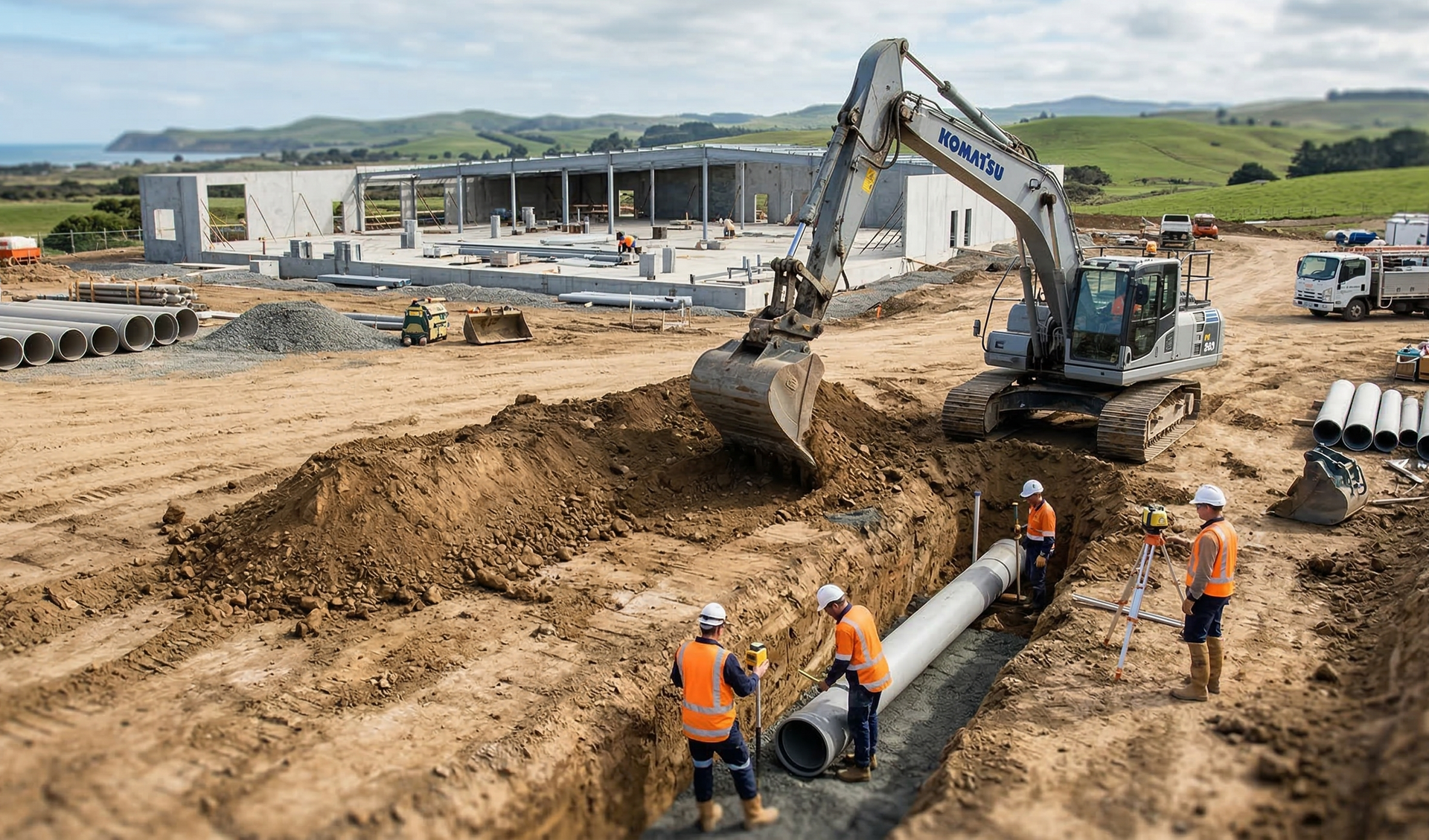
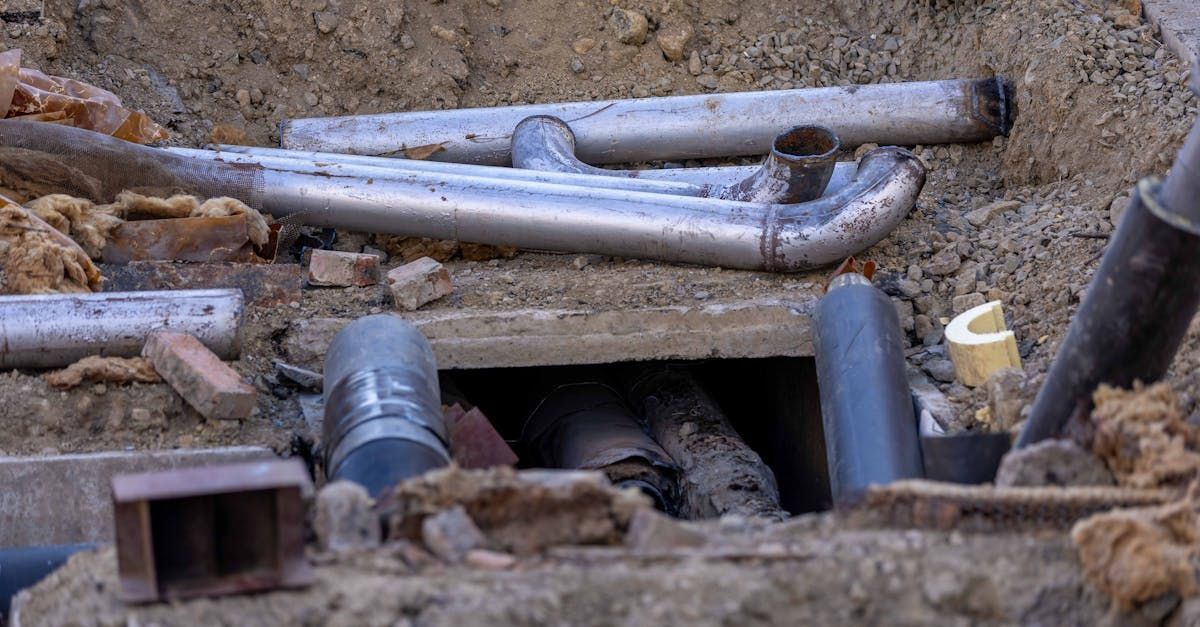
Bulk earthworks are not isolated from drainage and underground infrastructure. In fact, they often influence whether these later scopes can be delivered efficiently at all. Finished levels, access, excavation readiness and the timing of site preparation all affect how practical it will be to install drainage, sewer and other underground systems across the project.
This matters because subdivision projects rarely move through one clean, uninterrupted sequence. Different areas of the site may be at different stages, and the relationship between earthworks and underground services often changes as the programme progresses. If earthworks are not coordinated with those later requirements in mind, project teams can find themselves revisiting areas, adjusting access or dealing with avoidable interruptions to otherwise straightforward scopes.
For example, the delivery of stormwater drainage systems and sewer and deep sewer installation is often influenced by how the site has been prepared and staged. Earthworks that support proper sequencing make those scopes easier to coordinate. Earthworks that are rushed or disconnected from the broader plan can make them harder than they need to be.
That is why project teams usually benefit from viewing earthworks as an enabling part of the broader civil package, not just an early-stage activity. When the enabling role is understood, it becomes easier to make practical decisions that support smoother delivery across connected project scopes.
3. Good earthworks support better access and site logistics
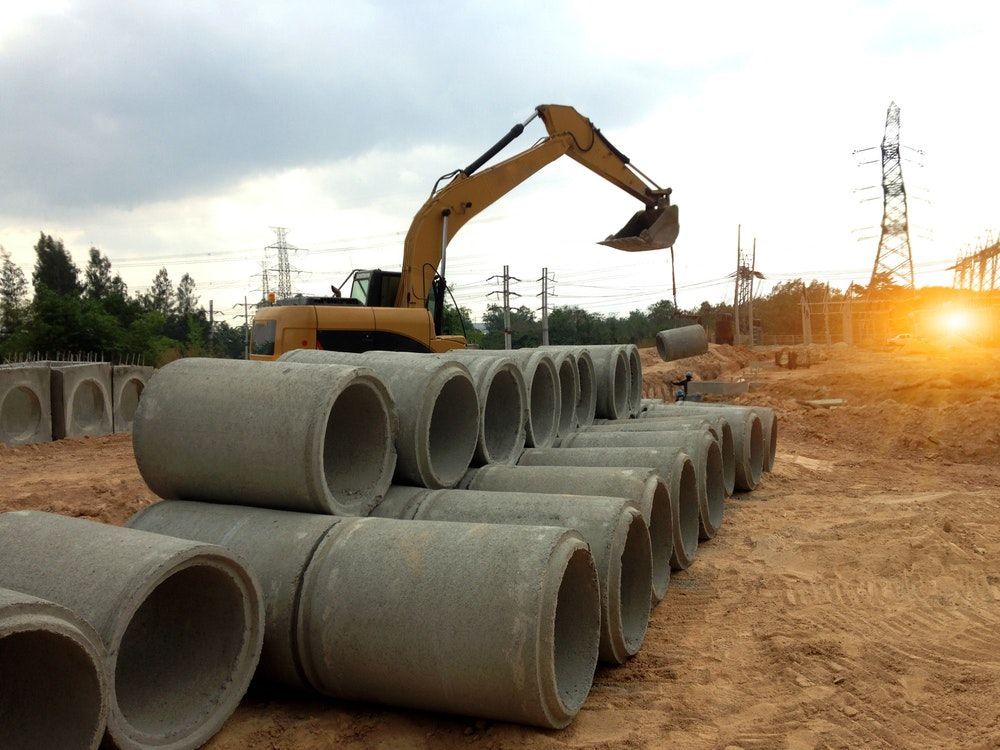
Efficient subdivision delivery depends heavily on practical site access. Crews, equipment and materials all need to move through the project in a way that supports progress rather than creating congestion or delays. Bulk earthworks can play a major role here by helping establish the physical layout and usable conditions that make site movement more manageable.
On active civil sites, access is not just about getting machinery in and out. It affects how packages are staged, how safely different crews can work around each other and how flexible the programme can be when conditions change. When earthworks are planned with site logistics in mind, they can support better trafficability, more practical working zones and stronger coordination across the project.
This can also influence how well broader civil construction for land developments is delivered. If the site is easier to access and move around, other civil scopes are often easier to sequence and execute. That may sound simple, but on a large subdivision the effect can be significant over time.
Where site access is poor or not considered early enough, even capable contractors can face avoidable constraints. Earthworks that support site logistics do not solve every challenge, but they can remove many of the basic obstacles that slow projects down unnecessarily.
4. Earthworks can reduce avoidable rework later in the programme
One of the practical advantages of well-planned bulk earthworks is that they can help reduce the risk of rework later in the subdivision process. When early site preparation is aligned with the broader delivery plan, project teams are less likely to revisit the same areas repeatedly or adjust completed work to accommodate later scopes that were not considered clearly enough at the start.
Rework is rarely caused by one issue alone. It often comes from weak coordination between packages, assumptions about staging or a lack of clarity around how site preparation supports later infrastructure installation. Bulk earthworks can help reduce that risk when they are approached as part of the broader programme rather than as a disconnected early trade activity.
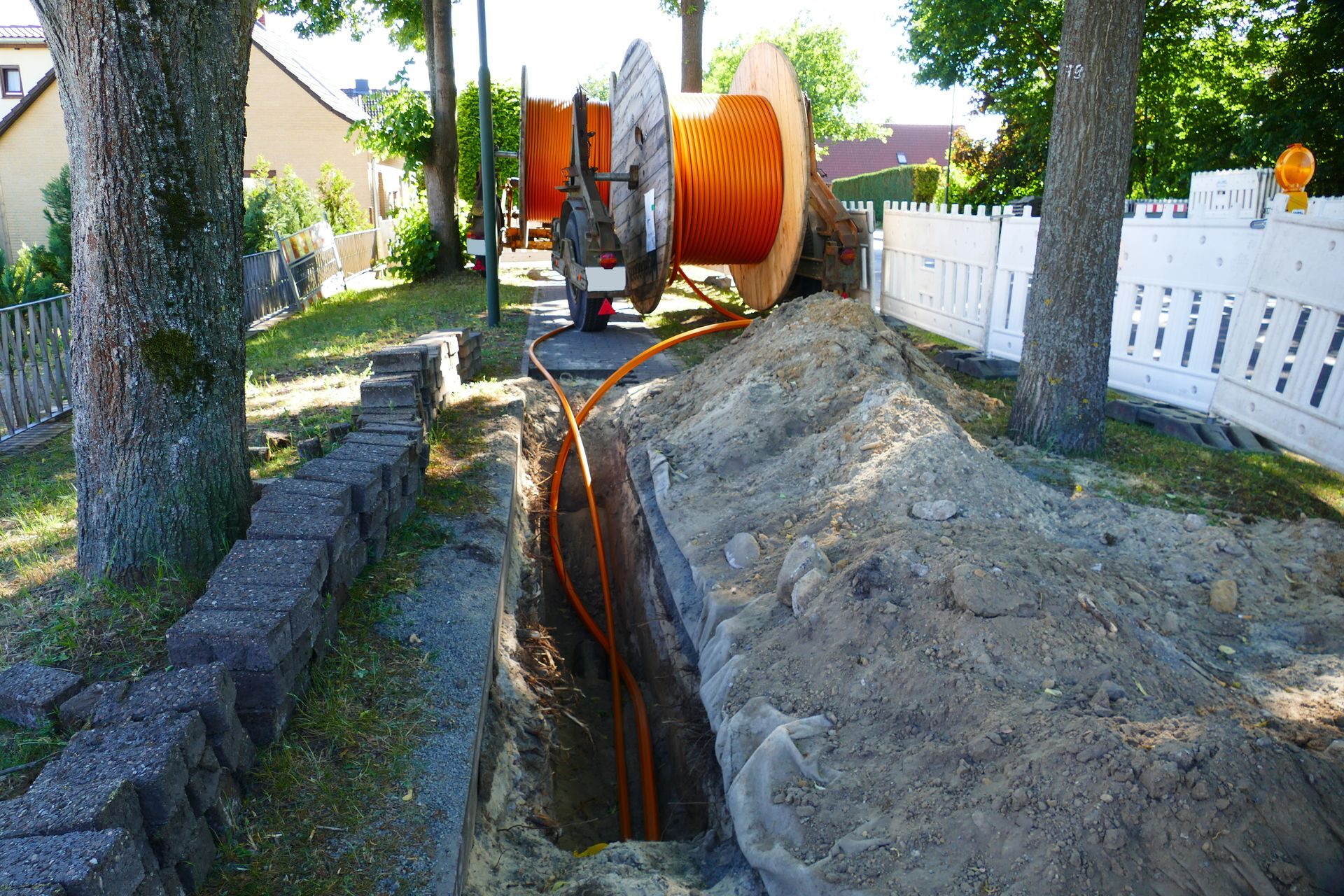
This is particularly relevant where earthworks interact with water infrastructure, drainage or utility packages. A more coordinated approach makes it easier to support later works such as water main installation and connected underground services without unnecessary adjustment to the site setup. That can save time, simplify coordination and improve delivery flow across the project.
No project is completely free of change or adjustment, but earthworks that are planned with future stages in mind often create fewer avoidable disruptions as the programme develops.
5. Efficient earthworks depend on communication and programme awareness
Bulk earthworks support efficient subdivision delivery best when they are planned and delivered with the broader programme in mind. That requires communication between project teams, awareness of surrounding scopes and a practical understanding of how the site will evolve through different stages of the development. Earthworks that are treated as isolated activity can still get done, but they may not support the wider project as effectively as they could.
Good communication helps project teams align early works with later requirements. It creates more visibility around access, sequencing and the relationship between earthworks and connected infrastructure packages. This is especially useful on larger projects where multiple crews and contractors may be operating across overlapping parts of the site.
If you are planning subdivision works and need support that aligns earthworks with broader civil delivery, contact our team to discuss the project. You can also explore our wider civil construction services to see how earthworks, drainage and underground infrastructure fit together on large-scale developments.
In practical terms, earthworks contribute most when they are treated as part of the project strategy rather than just the first task on the site. That is often where the difference lies between early activity and genuinely efficient delivery support.
Conclusion
Bulk earthworks play a bigger role in subdivision delivery than simple site preparation alone. They help shape levels, support access, influence drainage and underground sequencing and reduce the risk of avoidable disruption later in the programme. On large-scale projects, that makes them a major contributor to how efficiently the wider civil package can progress.
When earthworks are planned with the broader project in mind, they can support smoother delivery across the site and create better conditions for the infrastructure that follows. Learn more about our bulk earthworks and subdivision groundwork and civil construction for land developments , or get in touch with our team to discuss your next subdivision project.