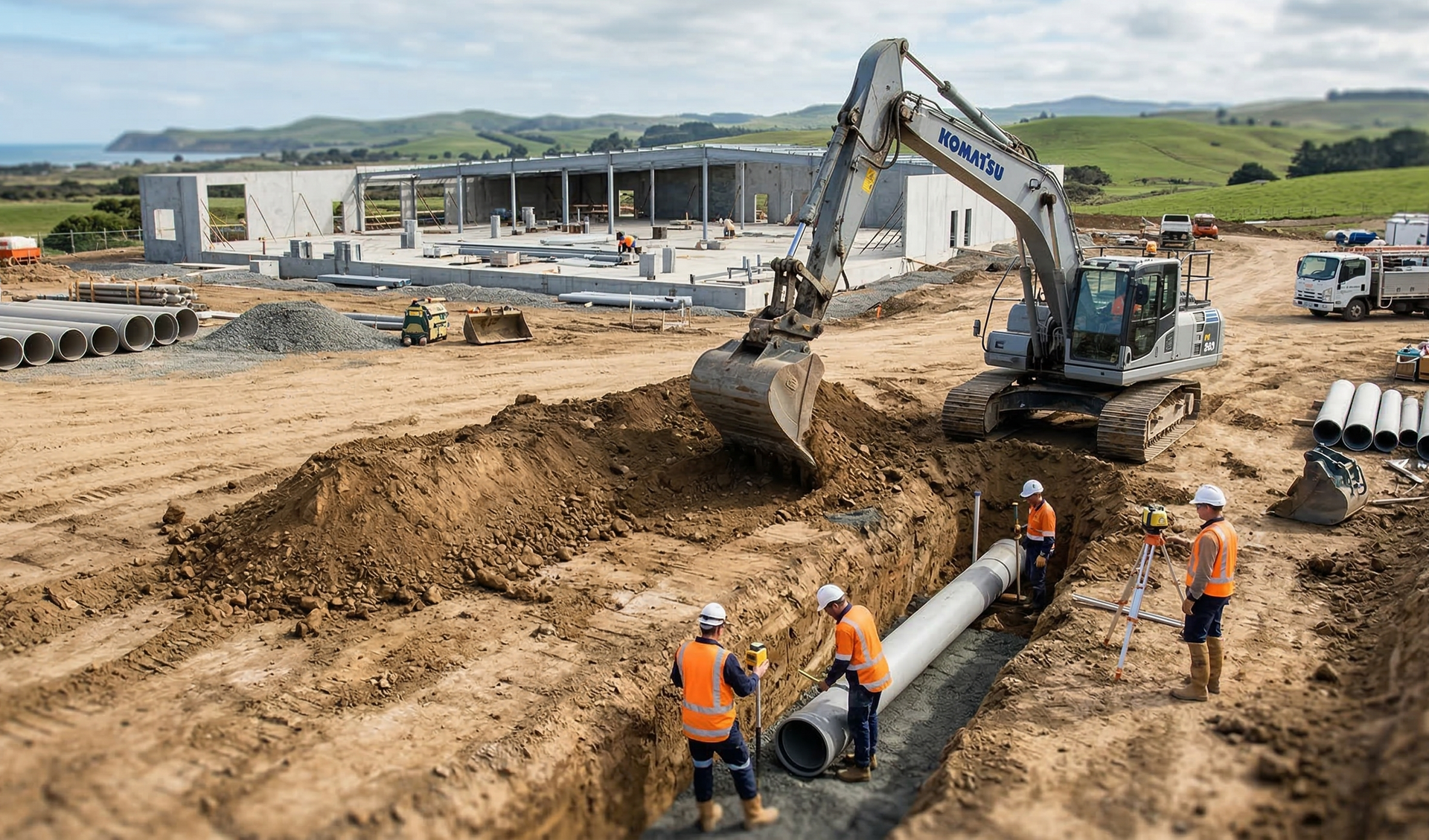
Sewer vs stormwater systems in civil construction projects

JP Civil Contractors • April 23, 2026

On large civil construction projects, sewer and stormwater systems often sit within the same broader delivery programme, but they do very different jobs. They are planned, installed and coordinated in different ways, and confusing one with the other can create problems for sequencing, compliance and overall site performance. For developers, builders and project teams, understanding the difference is not just a technical detail. It helps shape how underground infrastructure packages are scoped, staged and delivered across an active site.

Sewer systems are designed to carry wastewater away from buildings and developed areas for treatment. Stormwater systems are there to move rainwater away from roads, hardstand areas, lots and other surfaces so a site can function properly during and after construction. Both are essential, but they respond to different flows, different risks and different project requirements. When teams understand how each system works, they are in a better position to plan civil works with fewer clashes and more practical delivery outcomes.

For projects across Western Australia, this distinction matters early. Drainage design, excavation planning, utility sequencing and earthworks coordination all become more manageable when sewer and stormwater scopes are understood as related but separate parts of the overall civil package. Below, we break down the key differences, where each system fits into a project and why proper coordination matters on large-scale land development works.

1. What sewer systems are designed to do

A sewer system is built to carry wastewater from properties and developed areas to the relevant treatment network. In practical project terms, that means the sewer scope is tied to how a site will ultimately connect occupied buildings, lots or infrastructure into a functioning wastewater system. The purpose is not simply to move water away. It is to support sanitation, public health and long-term site usability through proper wastewater conveyance.

Because sewer systems deal with wastewater, they are usually treated with a higher degree of sensitivity than general surface drainage. The materials, alignment, installation approach and connection requirements all need to reflect the fact that this system is part of essential underground infrastructure. On larger projects, sewer works may also involve deeper excavations, tighter programme coordination and closer integration with broader service installation.

That is why projects often benefit from working with teams that understand how sewer and deep sewer installation fits into the broader civil package. It is not just a matter of laying pipe. It is about sequencing works in a way that supports access, safety, surrounding infrastructure and site progress without creating unnecessary disruption.

Where sewer works are staged poorly, problems can ripple into other scopes. Trenching, access constraints, earthworks interfaces and utility clashes can all affect the timing and practicality of delivery. A clear understanding of the sewer function helps project teams ask better questions earlier and avoid treating the scope as interchangeable with stormwater works.

2. What stormwater systems are designed to do

Stormwater systems perform a completely different role. Their purpose is to manage rainwater runoff across the site so water can be collected, directed and discharged in a controlled way. On development projects, this is critical for both construction-phase functionality and long-term site performance. Without effective stormwater management, water can collect where it should not, affect access, increase erosion risk and create unnecessary pressure on other parts of the project.

Unlike sewer systems, stormwater infrastructure is about surface and rainfall response rather than wastewater conveyance. It supports how a site handles natural water movement during weather events, and that has a direct impact on roads, lots, public areas and operational access. In practical terms, stormwater works often need close alignment with grading, earthworks and broader site preparation because water movement is heavily influenced by finished levels and construction staging.

For that reason, stormwater drainage systems are often delivered alongside other civil scopes rather than in isolation. The system has to make sense within the broader development layout and the way the site is actually being built. That is why project teams often need a practical view of how stormwater fits with site access, excavation planning and connected underground infrastructure works.

Stormwater systems can also shape how efficiently a site performs during construction. If water cannot be managed effectively, even well-planned projects can experience avoidable delays, difficult ground conditions and extra pressure on surrounding work areas. Understanding the stormwater role early makes programme planning more realistic and helps support smoother delivery across the site.

3. Why the two systems should not be treated as interchangeable

Sewer and stormwater systems are both underground infrastructure, and on the surface that can make them seem similar. In reality, they are designed for different flows, different operational outcomes and different site risks. Treating them as if they are interchangeable can cause confusion in planning, unrealistic assumptions in delivery and poor coordination across civil packages.

One of the main differences is the type of water each system is intended to manage. Sewer infrastructure is there for wastewater. Stormwater infrastructure is there for runoff from rain and site surfaces. That distinction affects everything from design intent to installation sequencing. It also shapes how project teams coordinate excavation, access and adjacent utility scopes throughout the programme.

Another key difference is how these systems interact with the rest of the site. Sewer installation is often closely tied to service connections and long-term occupancy. Stormwater systems are strongly connected to drainage performance, grading and surface water behaviour. On a large development site, those differences matter because the surrounding works are not the same. The interface points, dependencies and staging pressures are often quite different.

That is why broader civil construction for land developments benefits from clear scope separation and practical coordination. When teams understand what each system is meant to achieve, they can sequence works more effectively and reduce the risk of avoidable disruption as the site evolves.

4. How sewer and stormwater interact with other civil scopes

Although sewer and stormwater systems are different, they do not exist in isolation. On large developments, both sit alongside earthworks, water infrastructure, underground services and staged site preparation. Their delivery often overlaps with excavation planning, temporary access routes and wider infrastructure sequencing. That makes coordination just as important as technical understanding.

For example, grading and finished levels can have a major influence on how stormwater performs. Sewer installation may be more directly influenced by depth, trenching conditions and proximity to surrounding services. At the same time, both scopes may need to fit around earthmoving activity, access limitations and the order in which other infrastructure packages are delivered. A project that ignores these relationships often creates unnecessary friction on site.

This is also why related services such as bulk earthworks and subdivision groundwork can have a major effect on how efficiently drainage and underground infrastructure works proceed. Site preparation, access and sequencing are not separate from drainage performance. They help determine whether sewer and stormwater scopes can be delivered efficiently and safely within the wider programme.

From a project management perspective, the goal is not just to install each system correctly. It is to make sure each one is delivered at the right time, in the right order and with the right level of coordination across the rest of the site. That practical approach can make a noticeable difference to delivery flow on large projects.

5. What project teams should keep in mind during planning

For developers, builders and project managers, the most useful starting point is to treat sewer and stormwater as related but distinct scopes from the beginning. That means understanding the role each system plays, where they interface with the broader programme and what other packages could affect their timing. Early clarity helps teams avoid viewing drainage works as a generic underground task when the requirements are often more specific than that.

It is also helpful to think about how these systems will be delivered in the real conditions of the site rather than only on paper. Access, staging, excavation conditions, surrounding services and ground preparation all affect how practical the programme will be. A system may be clearly designed, but if it is not sequenced properly within the project, delivery can still become more difficult than it needs to be.

When sewer and stormwater works are approached with that practical mindset, teams are usually in a better position to coordinate the right services, ask the right questions and keep progress moving. The aim is not unnecessary complexity. It is making sure each part of the underground package is understood well enough to support efficient site delivery.

If you are planning a project and need support across drainage and underground infrastructure works, contact our team to discuss the scope. You can also explore our civil construction services to see how sewer, stormwater and related project works fit together across large-scale developments.

Speak to JP Civil about your project today

Sewer and stormwater systems may sit within the same civil construction programme, but they serve different functions and should be planned accordingly. Sewer works are focused on wastewater conveyance, while stormwater systems are designed to manage rainwater runoff and support site performance. Understanding that distinction helps project teams make better decisions around staging, coordination and wider underground infrastructure delivery.

On large-scale land development projects, that practical understanding matters. It supports better sequencing, reduces the risk of clashes and helps connected civil scopes work more effectively together. Learn more about our stormwater drainage systems or sewer and deep sewer installation services, or get in touch with our team to discuss your next project.

Blog banner
By JP Civil Contractors April 23, 2026
Learn what to look for in a drainage contractor and contact our team for practical support on large-scale civil construction projects.
Blog banner
By JP Civil Contractors April 23, 2026
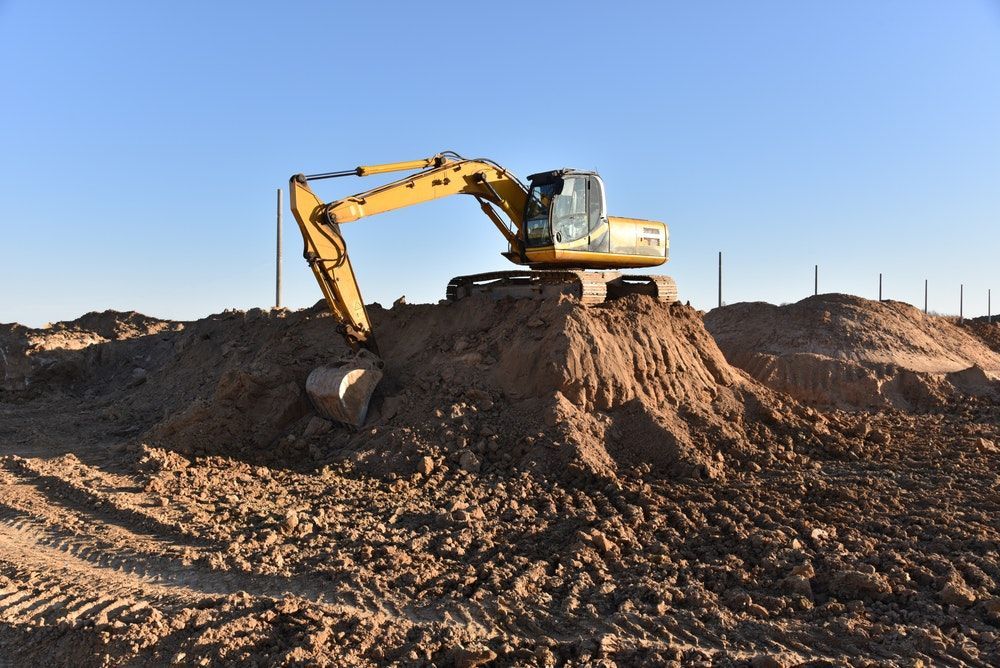
See how bulk earthworks support efficient subdivision delivery and contact our team for practical civil construction support.
Blog banner
By JP Civil Contractors April 23, 2026
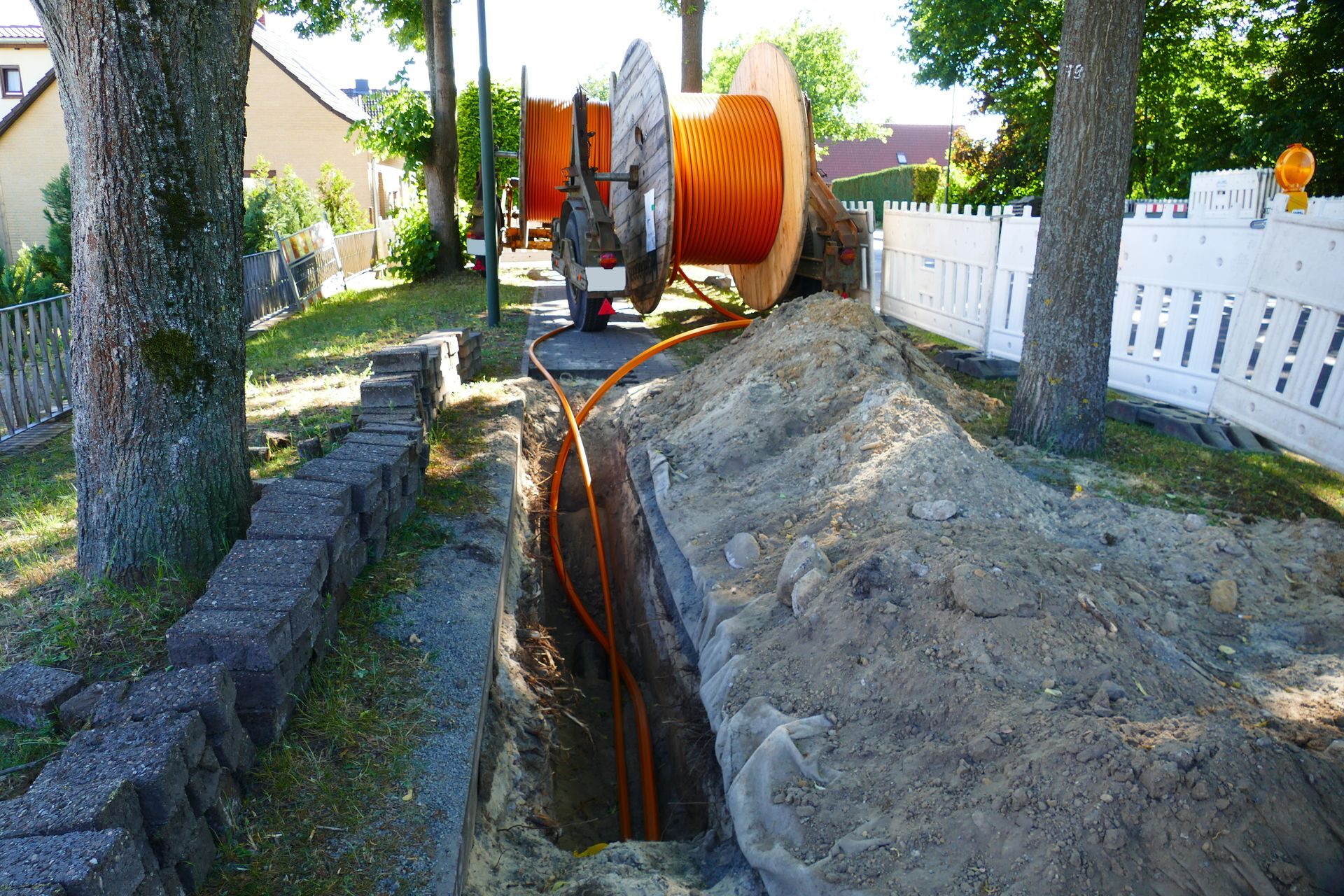
Learn common water main installation challenges and contact our team for practical support on large-scale land development projects.
Blog banner
By JP Civil Contractors April 23, 2026
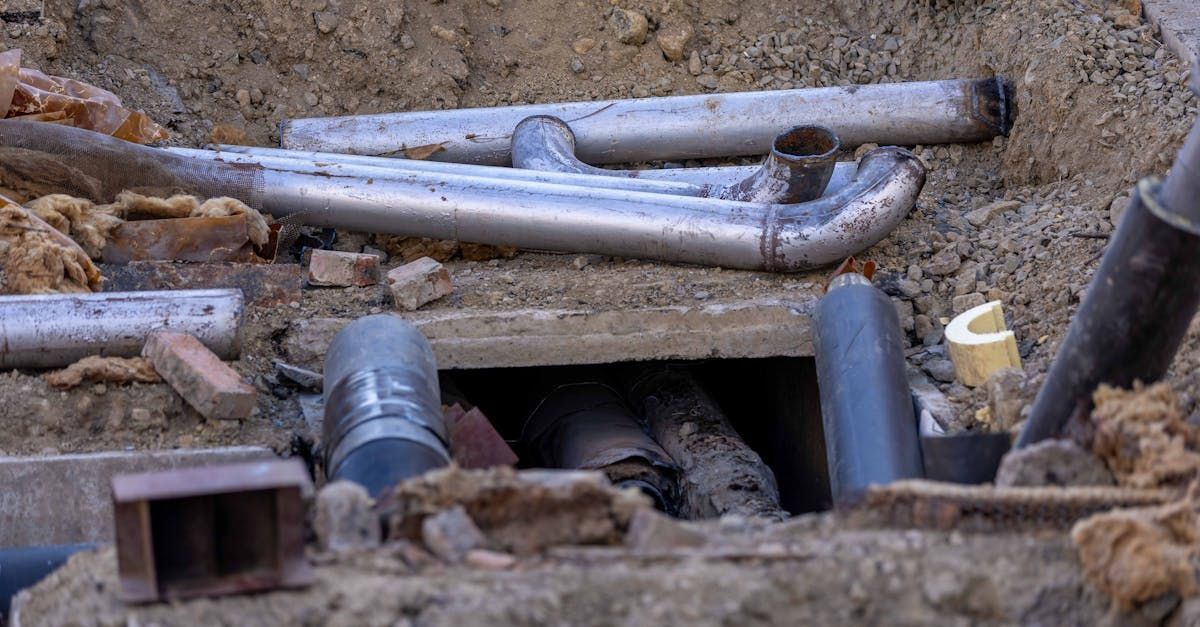
See why underground power and communications need early coordination and contact our team for practical civil construction support.

Blog banner
By JP Civil Contractors April 23, 2026
Learn how to plan staged civil construction works and contact our team for practical support on large-scale subdivision projects.
Blog banner
By JP Civil Contractors April 23, 2026
Learn what to look for in a drainage contractor and contact our team for practical support on large-scale civil construction projects.
Blog banner
By JP Civil Contractors April 23, 2026
See how bulk earthworks support efficient subdivision delivery and contact our team for practical civil construction support.
Blog banner
By JP Civil Contractors April 23, 2026
Learn common water main installation challenges and contact our team for practical support on large-scale land development projects.
Blog banner
By JP Civil Contractors April 23, 2026
See why underground power and communications need early coordination and contact our team for practical civil construction support.
Blog banner
By JP Civil Contractors April 23, 2026
Learn how to plan staged civil construction works and contact our team for practical support on large-scale subdivision projects.