Common challenges in water main installation for land development projects
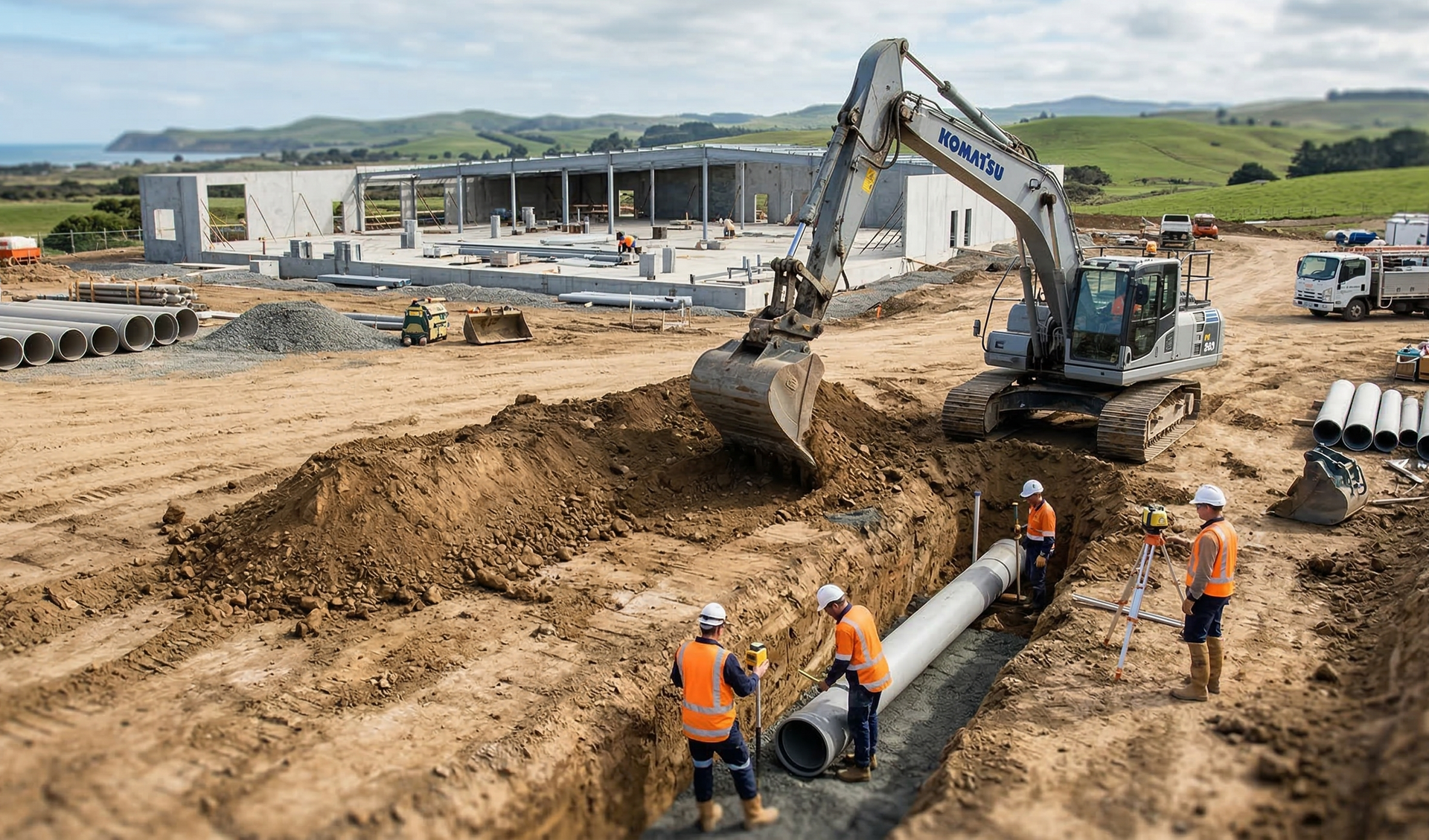
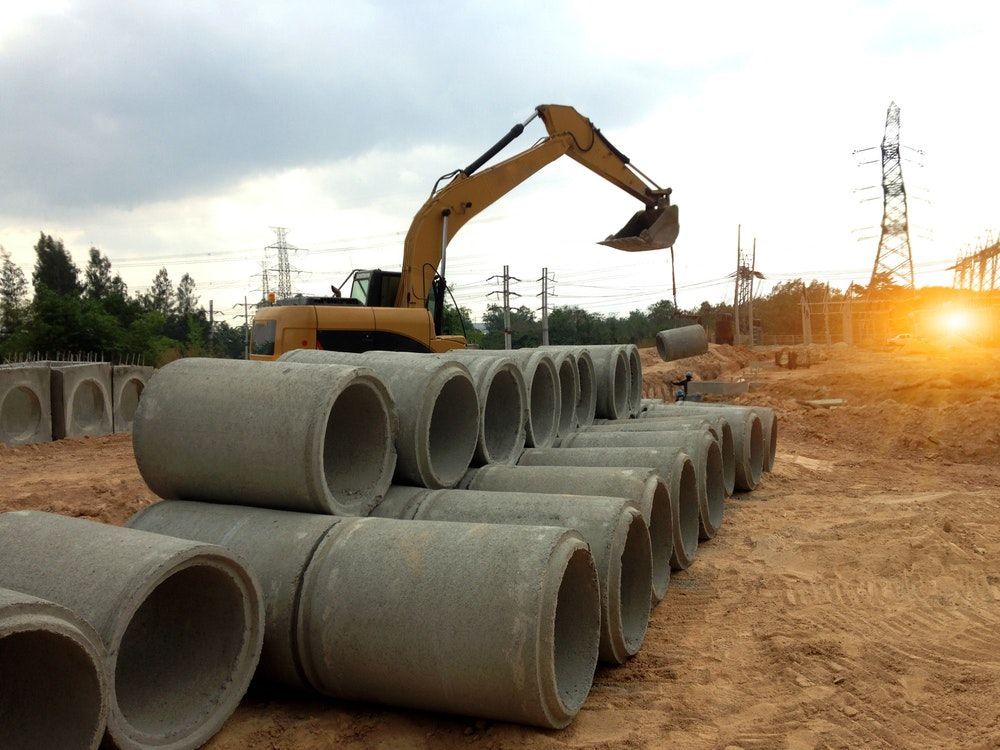
Water main installation is a core part of many land development projects, but it is rarely as simple as placing pipe in the ground and moving on to the next stage. On large civil sites, water main works often sit within a broader programme that includes drainage, sewer installation, underground services, access constraints and changing site conditions. That means the challenge is not only the water infrastructure itself. It is also how that infrastructure is coordinated within the wider project.
For developers, builders and project teams, this is why water main installation benefits from practical planning early. The most common issues are often not caused by one dramatic failure. They usually come from staging pressure, site readiness, coordination gaps or the assumption that water infrastructure can be treated as a simple standalone package. On active development sites, that assumption can create unnecessary friction across the programme.
This article looks at common challenges in water main installation for land development projects and explains why these works are best understood as part of a connected civil delivery strategy rather than a single isolated task.
1. Coordination with other underground infrastructure can be more complex than expected
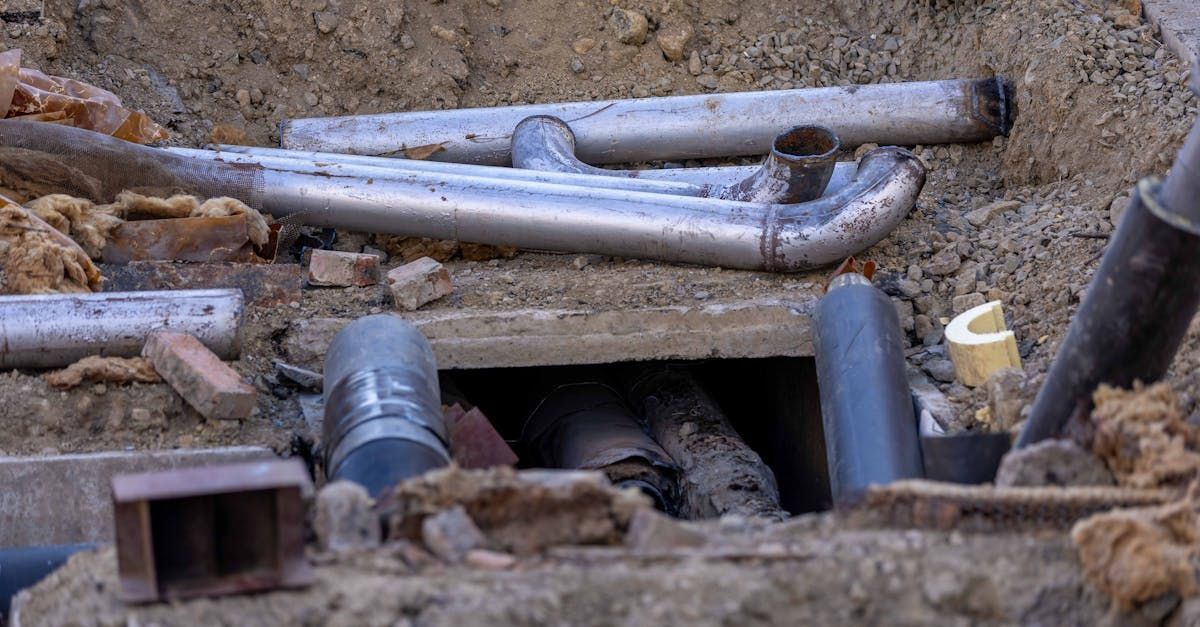
One of the most common challenges in water main installation is working within a site that already contains, or is preparing for, multiple underground scopes. Water infrastructure often has to sit alongside sewer works, stormwater systems, underground power and communications and other civil packages. Even where each scope is planned separately, the way they interact on the ground can create pressure on timing, access and sequencing.
That is why water main installation is rarely just a technical pipework exercise on larger sites. It also depends on how clearly the work has been coordinated with connected infrastructure before crews are on the ground. If those relationships are not considered properly, project teams can end up adjusting access, revisiting work areas or creating unnecessary delays while other packages catch up or move around the same part of the site.
This is where broader project awareness matters. Water infrastructure works often need to align with services such as sewer and deep sewer installation and stormwater drainage systems , not because they are the same scope, but because they can influence one another in practical delivery terms. The challenge is usually less about whether the work can be done and more about whether it can be done efficiently inside a live programme.
On large developments, water mains that are treated as disconnected from the rest of the underground package often create more avoidable coordination pressure than they should. A more integrated view usually leads to smoother delivery.
2. Site readiness and access can directly affect installation efficiency
Water main installation depends heavily on site conditions. Even when the scope itself is well understood, access, staging and ground preparation can still affect how efficiently the works move. If a site is not ready, or if access is constantly changing around the programme, the installation process can become harder to coordinate and less efficient than expected.
This is one reason early site preparation matters so much. Water mains often rely on the same practical foundations that support other underground infrastructure, including workable access, sequencing clarity and appropriate conditions for crews and equipment. When those foundations are weak, even straightforward installation scopes can become slower and more disruptive than planned.
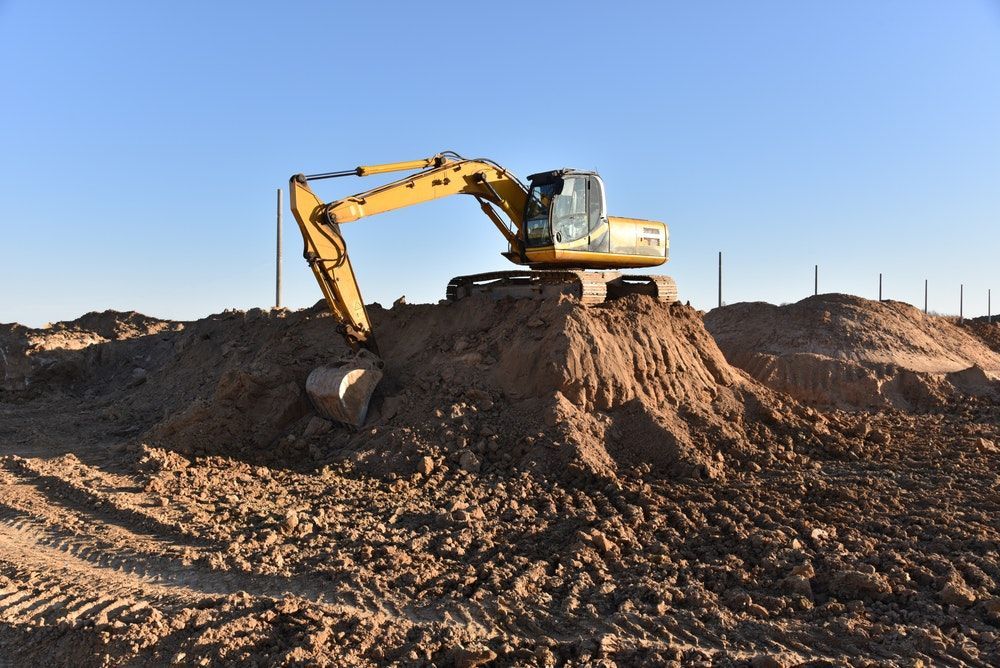
That is why water main delivery often depends on how well earlier works such as bulk earthworks and subdivision groundwork have supported the broader programme. Site readiness is not separate from water infrastructure efficiency. It often determines whether the installation can progress smoothly or becomes constrained by conditions that should have been addressed earlier.
For project teams, this means water main planning should include practical questions about staging and site setup, not just the infrastructure layout itself. The more realistic that planning is, the easier the works are to manage on an active development site.
3. Programme pressure can lead to sequencing issues
Another common challenge is the pressure that comes from working inside a broader construction programme where multiple scopes are progressing at once. On large developments, there is often pressure to keep every package moving, but that does not always mean each scope is ready to proceed at the same time. Water main works can be affected when programme pressure pushes installation ahead of ideal site conditions or before connected scopes are aligned properly.
This can create sequencing issues that are not always obvious at the planning stage. A package may appear ready on paper, but once crews arrive on site the surrounding works may still create access limitations, coordination conflicts or interruptions to efficient delivery. The result is often frustration, slower progress and more effort spent managing site conditions than carrying out the installation itself.
Where water infrastructure sits inside a wider civil construction for land developments programme, the timing of each package matters. It is not enough to know that the work belongs somewhere in the schedule. It also needs to be delivered when the site conditions and surrounding scopes make that delivery practical.
Managing this challenge comes down to realistic programme awareness. Water main installation usually performs better when it is sequenced as part of the real site environment, not just as a line item in a construction schedule.
4. Communication gaps can create avoidable rework and disruption
Many water main installation challenges are ultimately communication challenges. When project teams, contractors or surrounding package leads are not aligned clearly enough, even well-intentioned planning can become difficult to execute. Misunderstandings around access, staging, timing or nearby infrastructure can all contribute to avoidable disruption once works are underway.
On active land development sites, communication has a direct effect on delivery flow. It helps teams understand when an area is ready, what surrounding scopes might affect the work and how installation should be coordinated to reduce unnecessary interruption. Without that visibility, there is a greater risk of rework, revised access arrangements or installation delays that could have been reduced with better planning conversations earlier.
This is especially relevant where water main works sit near other underground services or where programme changes affect the order of delivery. Contractors working across connected infrastructure need enough visibility to adjust practically, not react blindly. That kind of visibility is easier to create when communication is treated as part of the installation process rather than as something separate from it.
If you are planning a project and want support that reflects these practical realities, contact our team to discuss the scope. You can also explore our broader civil construction services to see how water infrastructure fits into larger project delivery.
5. Water main installation works best as part of a connected project strategy
One of the clearest patterns across large projects is that water main installation is usually most efficient when it is approached as part of a connected civil strategy rather than a standalone service package. That means understanding how the water scope fits with drainage, site preparation, access, underground coordination and the sequencing of surrounding works.
When project teams view water mains as one part of a connected programme, it becomes easier to make practical decisions about timing, readiness and coordination. The focus shifts from simply completing the installation to supporting efficient project delivery overall. That is usually where better outcomes come from on major land development projects.
By contrast, when water main installation is treated as isolated from the broader site environment, avoidable challenges are more likely to emerge. The work may still be completed, but it often takes more effort to manage the surrounding friction than it should.
Speak to our team about water main installation today
Common challenges in water main installation usually come back to coordination, access, staging and communication rather than the pipework alone. On large land development projects, these works are shaped heavily by the broader site environment and the way connected infrastructure packages are delivered around them. Understanding that early can help project teams avoid unnecessary friction and support smoother outcomes.
When water main installation is planned as part of a connected civil strategy, it is easier to manage site conditions, programme pressure and the relationship between surrounding scopes. Learn more about our water main installation and civil construction for land developments , or get in touch with our team to discuss your next project.